05 December 2025
News
Tair Asangali at CFO Forum 2025: "Business Needs Instant Adaptation"
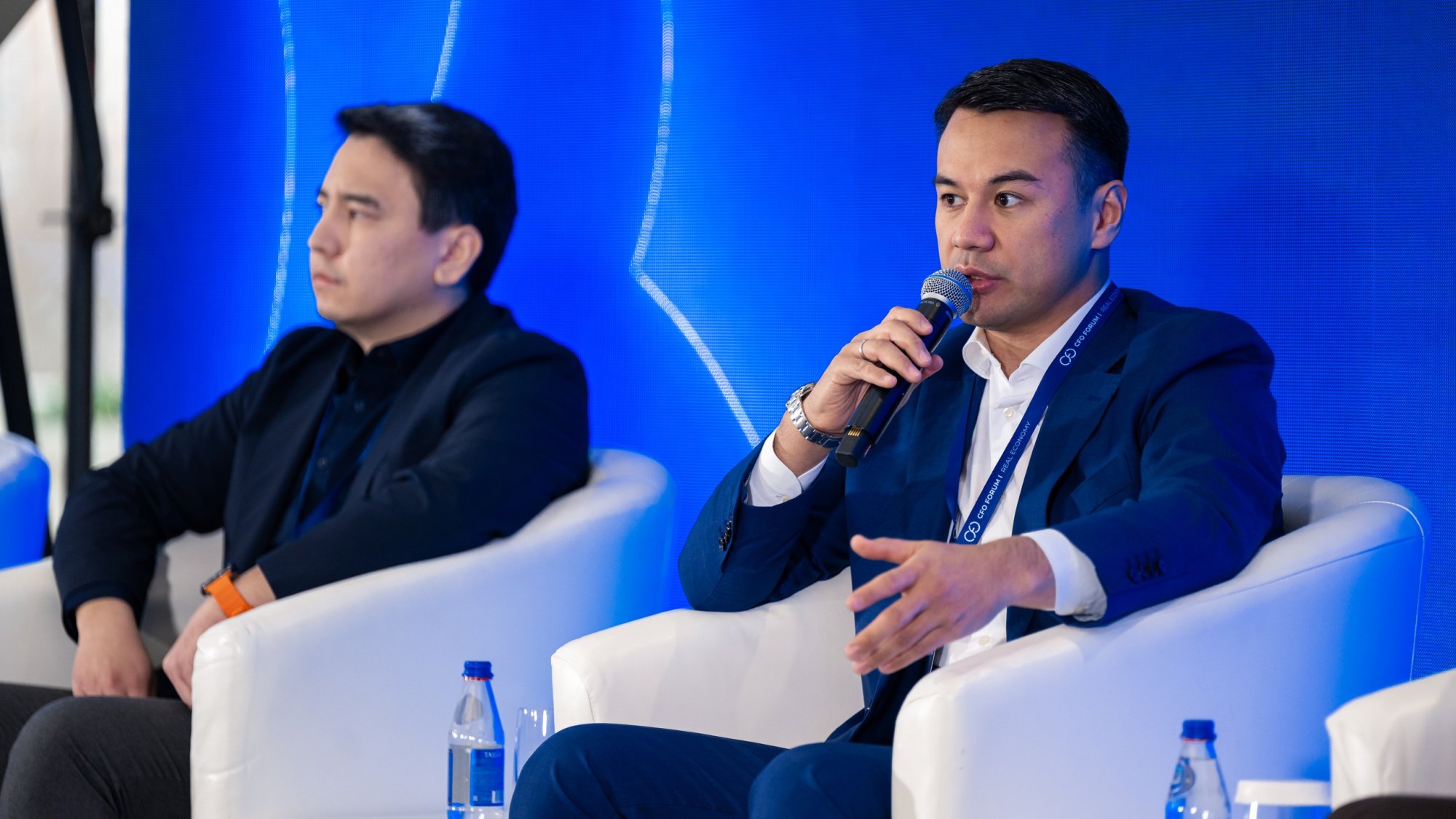
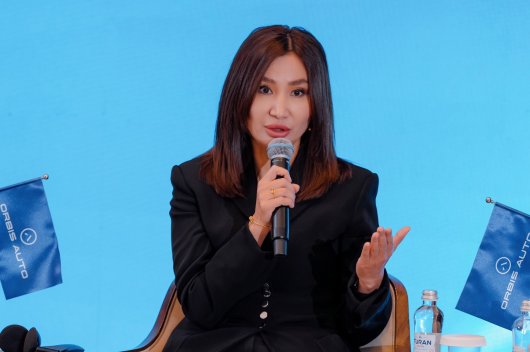
Astana hosted one of the year's key financial events — CFO Forum: Real Economy 2025. Organized by the Fin Club team, the event brought together captains of Kazakhstan's business, leading economists, and top managers from major holdings. Orbis Kazakhstan was represented at the forum by the Group’s Chief Financial Officer (CFO), Tair Asangali.
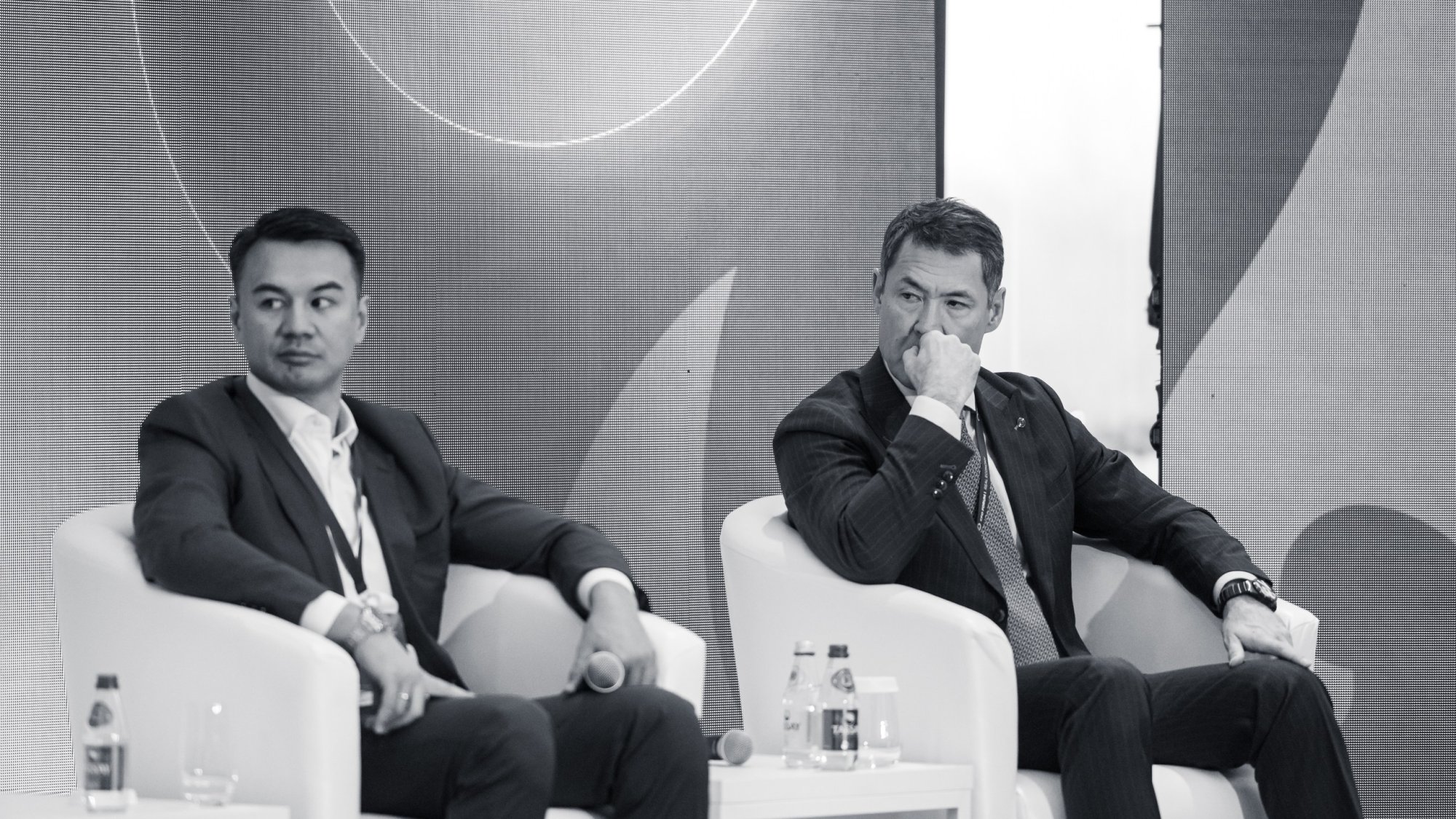
The forum served as an independent platform to discuss the real economy, upcoming challenges, and development strategies. Alongside Tair Asangali, market insights were shared by prominent figures such as BI Group Shareholder and CEO Aydin Rakhimbayev, renowned financier and Teniz Capital Board Member Galim Khussainov, KPMG Managing Partner Saken Zhumashev, and public sector representatives, including Timur Zharkenov, Deputy Chairman of the Atameken National Chamber of Entrepreneurs.
Agility and Cost Management
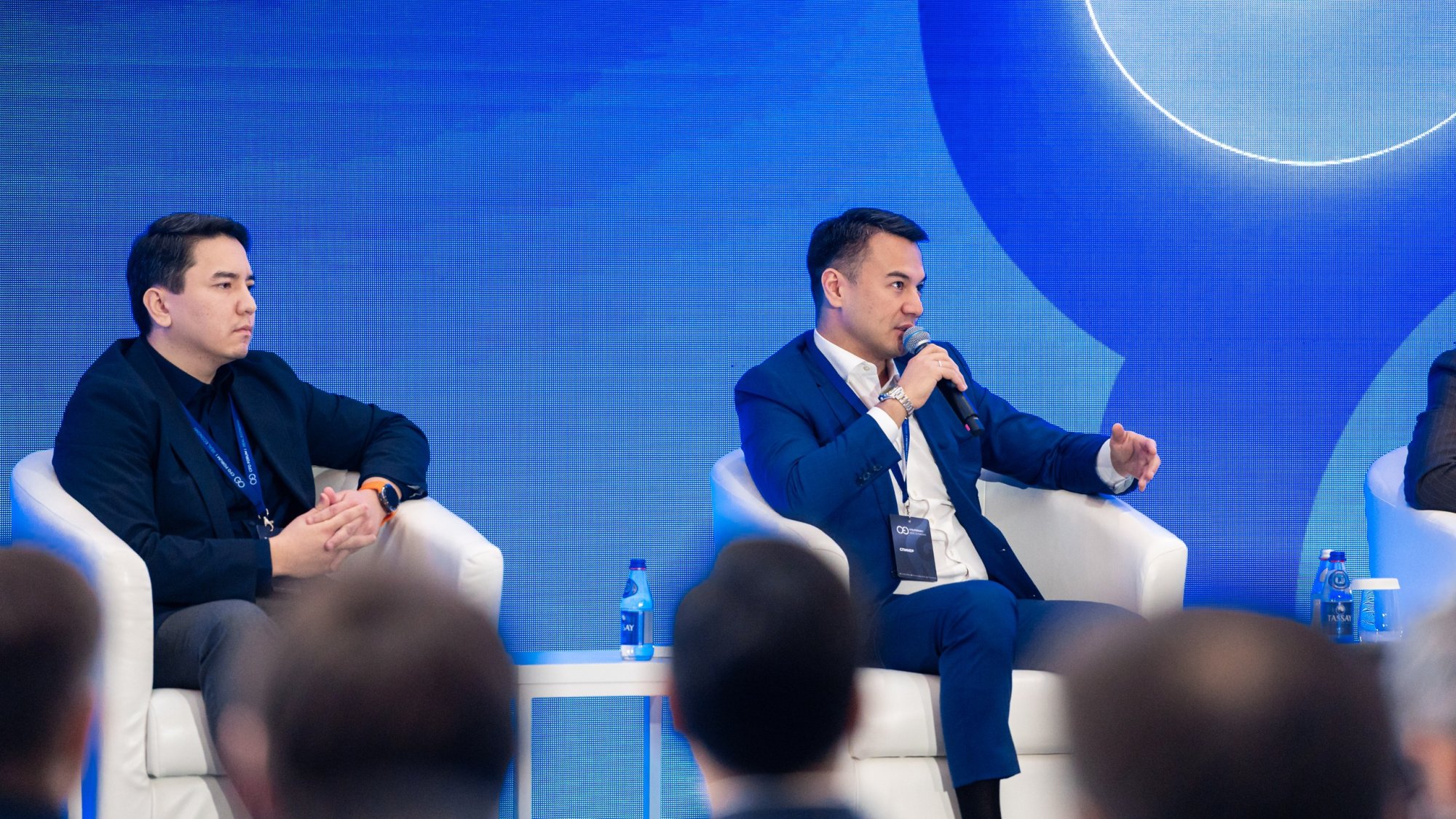
In his speech, Tair Asangali emphasized the need for businesses to adapt instantly to market turbulence. He identified the high cost of funding as one of the major challenges of 2025.
"Changes in the market are happening very quickly right now. One of the most serious challenges is the cost of money. We have to switch to alternative instruments: letters of credit and guarantees. Fortunately, our international suppliers understand this and are meeting us halfway," noted the Orbis Kazakhstan CFO.
Mr. Asangali highlighted that the company implements a continuous cycle of cost reduction using international practices such as Just-in-Time.
Case Study: 10x Savings via Localization
The audience was particularly interested in a real-world case from Orbis demonstrating the benefits of IT localization. The discussion focused on Orbis Oilfield, a division providing vehicle rental services for the B2B sector, specifically for oil companies.
"One of the critical requirements for these vehicles is a GPS navigation system. The foreign system was very expensive. We developed our own — including both the hardware and the software. This allowed us to cut costs by 10 times! I believe many industries can move towards localization and achieve substantial savings," shared Tair Asangali.
Market Trends: China, Used Cars, and EVs
The expert also analyzed the current state of Kazakhstan's automotive market. According to Tair Asangali, new car sales have stabilized at approximately 200,000 units per year.
Key takeaways from the presentation:
- Chinese Expansion and a Paradigm Shift. Consumer behavior is changing. While 10 years ago a consumer would choose a used Japanese car, today, for the same price, they increasingly prefer a new Chinese vehicle. The quality of Chinese manufacturing has grown significantly, driving the new car market at the expense of the used segment.
- Shift to Premium. With Chinese brands expanding in the mid-market segment, a number of Japanese and European manufacturers have begun repositioning themselves into the premium class.
- Configuration Optimization. Smart collaboration with manufacturers allows for price reductions for the end customer. By removing minor functions in agreement with factories, savings of up to $1,000 can be achieved for the buyer, which accelerates inventory turnover.
- Outlook on Electric Vehicles. Tair Asangali expressed a reserved opinion regarding electrification. According to him, the "first wave of hype" has subsided. Given the relatively low gasoline prices in Kazakhstan, a mass transition to EVs is not yet as economically obvious for Kazakhstanis as it is in other countries.
More News